Allergies and Indoor Air in Katy, TX: A Season-by-Season Guide
Katy's pollen and mold seasons run almost all year. Here's what's in the air each season, how it gets into your home, and practical steps to improve indoor air quality.
If you sneeze your way through spring in Katy, you're not alone. The Houston region regularly ranks among the tougher places in the country for seasonal allergies, thanks to a long growing season, lots of trees and grasses, warm temperatures and high humidity. And while you can't control what blooms outside, you can do a lot to keep allergens from building up inside your home.
This article is general information, not medical advice. If you have allergies or asthma, talk with your doctor or an allergist.
What's in the air, season by season
Winter (December–February)
Mountain cedar (Ashe juniper) is famous in Central Texas, and on north winds some of its pollen can reach the Houston area. Elm and early oak pollen may also start. Indoors, homes are closed up, and dust mites, pet dander and mold become the main triggers.
Spring (February–May)
This is peak tree season. Oak is the big one in southeast Texas, and you'll see the yellow-green dust on cars and patios. Pine, pecan, ash and other trees add to it. Spring rains also raise outdoor mold spore counts.
Summer (May–September)
Grass pollen (including Bermuda and Bahia grasses common in Texas lawns) is high in late spring and early summer. Heat and humidity keep mold active. Summer also sometimes brings Saharan dust plumes across the Gulf to the Texas coast, raising fine-particle levels for a few days at a time.
Fall (August–November)
Ragweed leads the fall season, often joined by other weeds. Outdoor mold spores can spike again after heavy rain, especially during tropical weather.
The takeaway is that Katy rarely has a true "off" season. Something is almost always in the air.
How outdoor allergens get inside
Allergens come in through open doors and windows, on clothing, shoes and pets, and through small gaps around the home. Once inside, your HVAC system's return vents pull them into the duct system. A good filter catches much of it, but fine particles and anything that gets past a worn or poorly fitted filter can settle in the ducts.
Indoor sources add to the load:
- Dust mites thrive in warm, humid conditions, which Katy has plenty of.
- Pet dander is tiny and sticky, and it stays airborne and settles in ducts and fabrics.
- Mold can grow anywhere moisture lingers: bathrooms, under sinks, around AC drain pans, or after a leak or flood.
- Cooking, candles and cleaning products add fine particles and odors.
Practical steps for cleaner indoor air
1. Control humidity
The EPA recommends keeping indoor relative humidity between 30% and 50%, and below 60% to discourage mold and dust mites. In Katy that can take effort: make sure your AC drain line is clear, run exhaust fans when showering and cooking, and consider a dehumidifier or whole-home dehumidification if your hygrometer regularly reads above 60%.
2. Upgrade and change filters
A pleated filter rated around MERV 8 to 11 is a common choice that catches much of the pollen, dust and dander. Change it on schedule, often every 1 to 3 months in peak seasons, and more often with pets. Very high-MERV filters may restrict airflow on some systems, so check what your equipment supports.
3. Keep pollen out
On high-pollen days, keep windows closed, take shoes off at the door, and wipe down pets after time outside. Showering before bed rinses pollen off hair and skin.
4. Clean smart
Use a vacuum with a HEPA filter, dust with damp cloths instead of dry ones, and wash bedding weekly in hot water to reduce dust mites.
5. Address mold quickly
Fix leaks, dry wet areas within 24 to 48 hours, and have a professional handle larger mold problems.
6. Keep the duct system clean
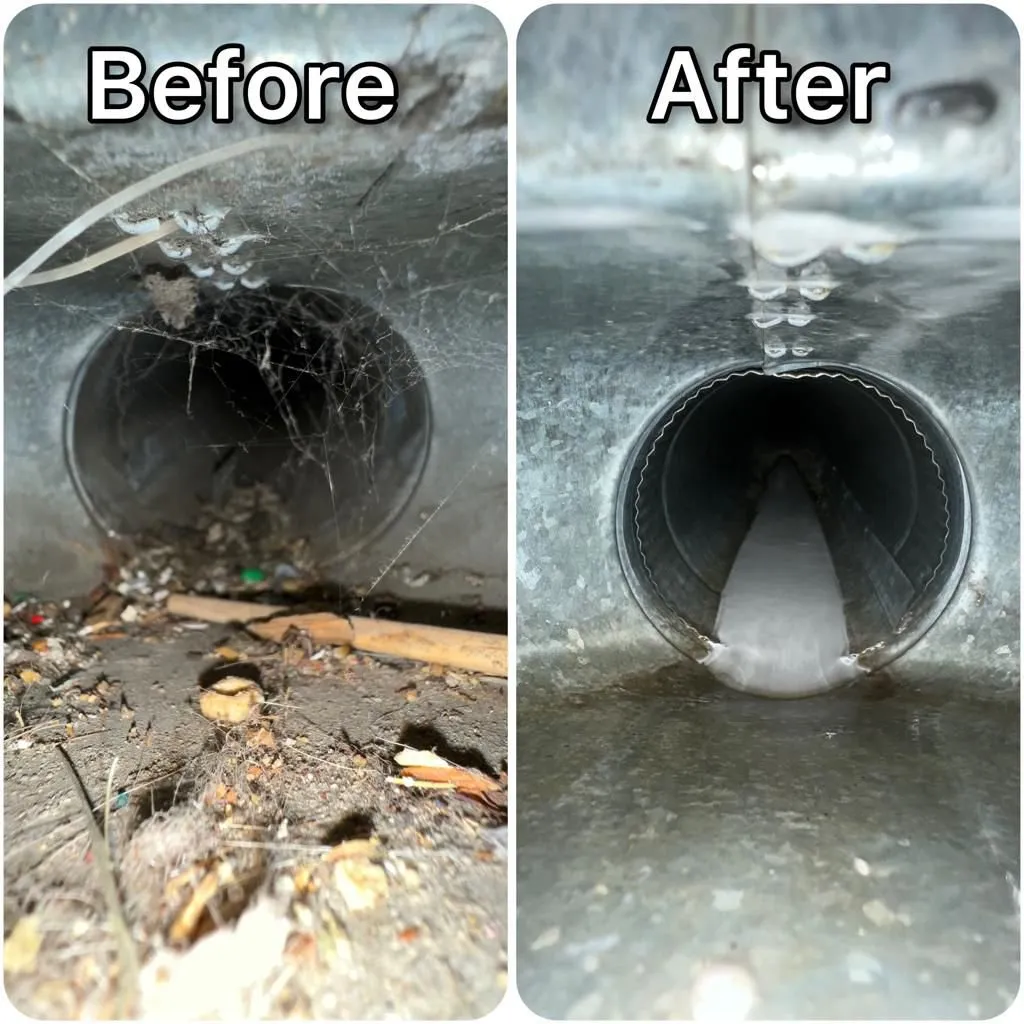
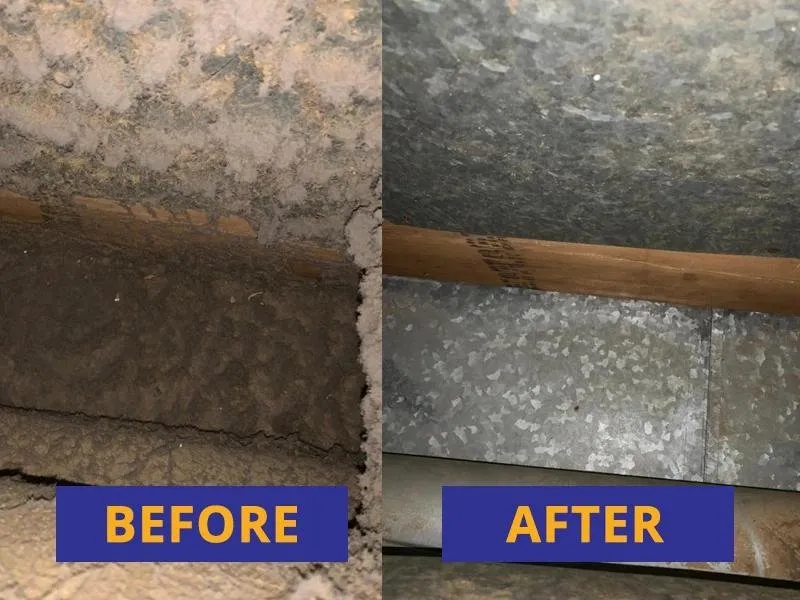
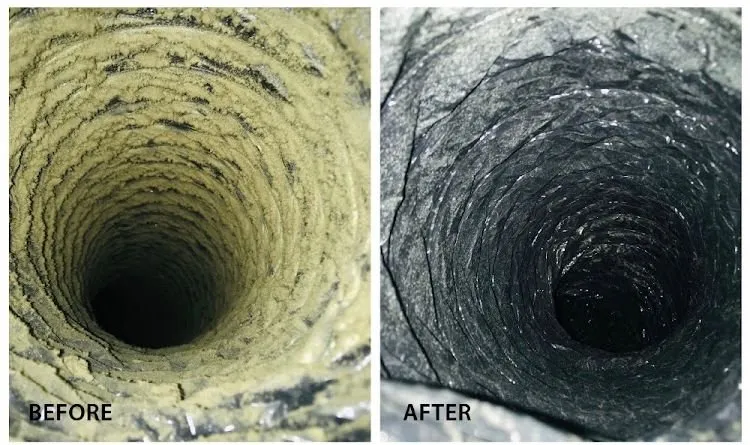
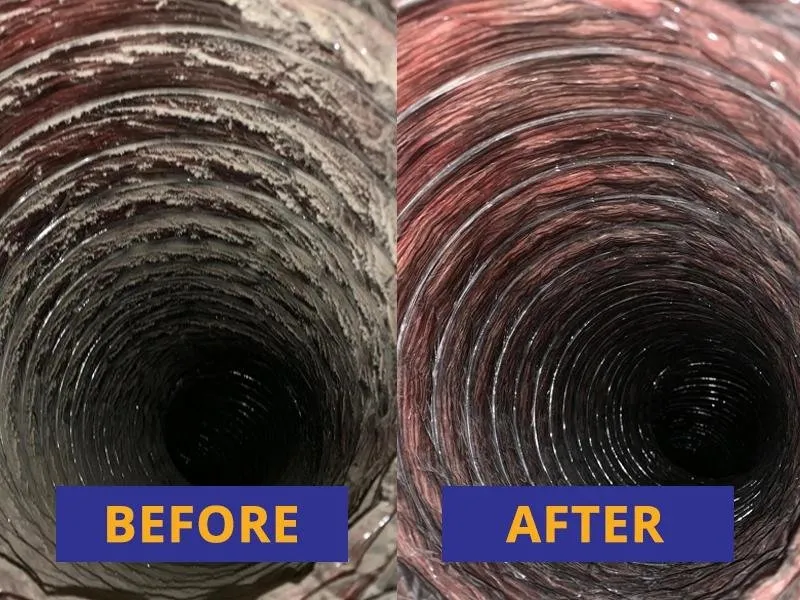
When ducts are full of dust and debris, your system can keep blowing it around the house. Professional duct cleaning removes that buildup, especially in homes with pets, recent renovations or many years since the last cleaning.
Our customers often notice the difference. As one Katy homeowner shared: "My golden retriever always sneezed around the vents. Not anymore." Another said: "My carpets and furniture stay cleaner now because there is less dust circulating through the air."
The EPA notes that research hasn't shown duct cleaning prevents health problems for everyone. But removing visible dust, debris and pest contamination from ducts is reasonable, and many households notice less dust and fewer odors afterward.
Signs your ducts may be adding to the problem
- Dust puffs out of vents when the system starts
- Register covers are visibly dirty
- Dust returns to surfaces within a day or two of cleaning
- A musty smell when the AC runs
- Allergy symptoms feel worse inside the house than outside
How American Air Duct Cleaning can help
We provide residential air duct cleaning in Katy and nearby communities, using roto-brush power brushing and HEPA vacuuming. Air duct cleaning is $199 per HVAC unit with unlimited vents and an inspection, and individual vents can be deep cleaned for $59 each. Estimates are free.
Call (281) 699-2762 or request your free estimate.